The European Bronze Age, read in the ground
Nine parts copper. One part tin.
That ratio is the whole period in miniature. Copper is widespread; tin sits in a handful of places. To make bronze at all, somebody had to move one of them a long way.
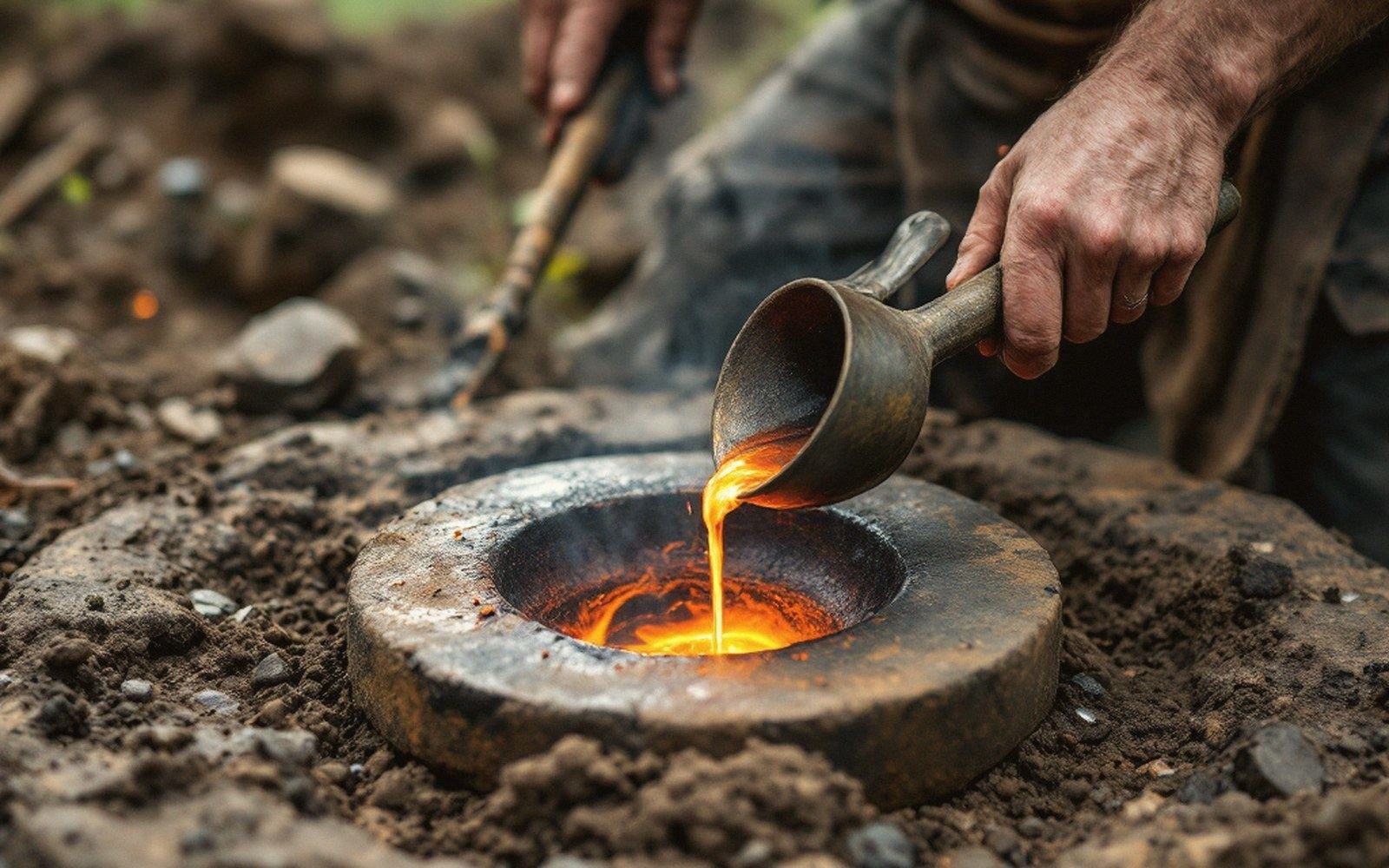
A smith pouring molten bronze into a stone mould.
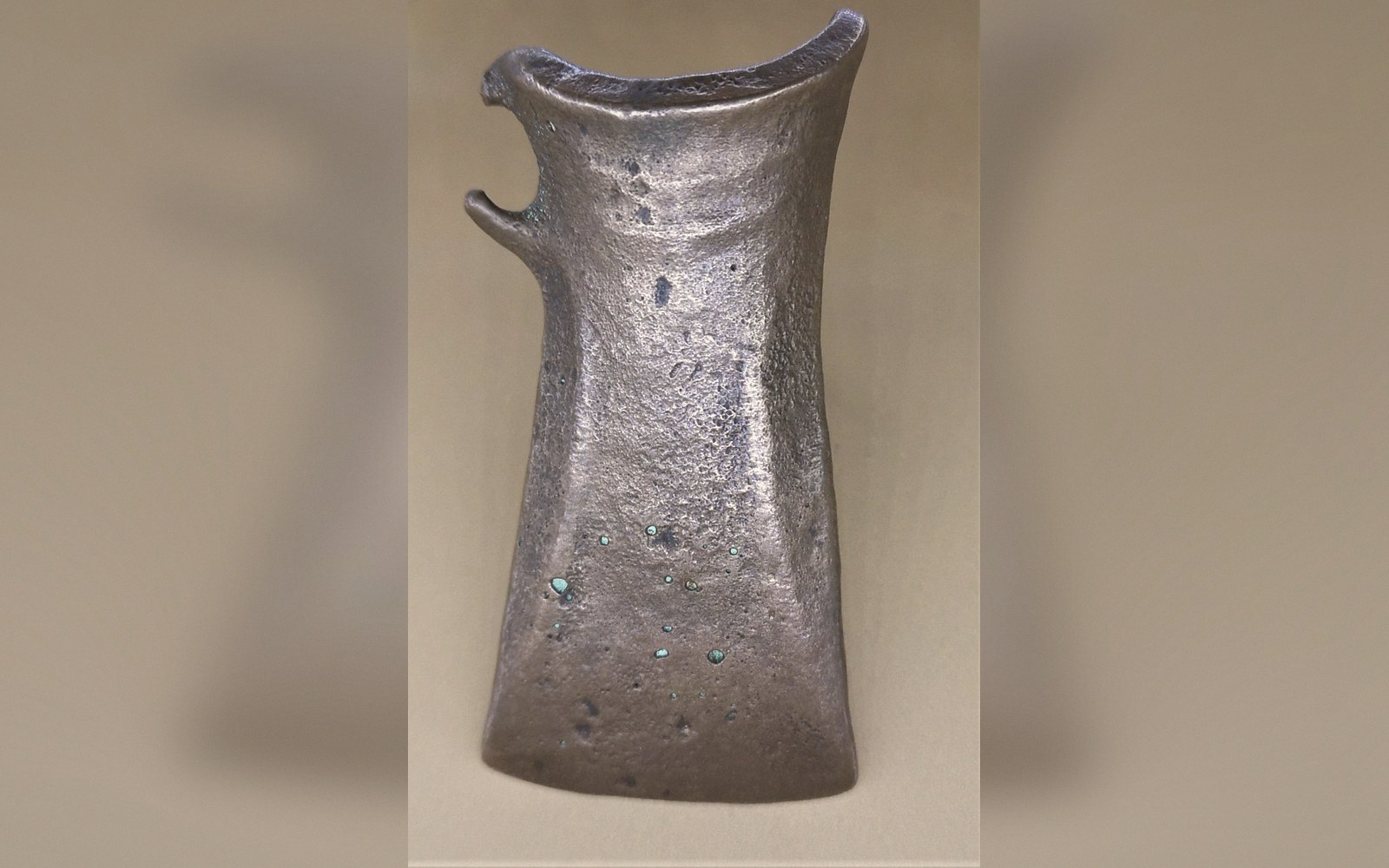
A socketed axe: the object type the alloy was made for, and the one that survives in the greatest numbers.
Photo: 020210904 Bronze Axe Head, Bronze Age, Lusatian culturearea in the Skawa River Basin, Andrychów · Wikimedia CommonsA tenth part tin
Copper alone is too soft to hold an edge. Add about a tenth part tin and it casts better, hardens under the hammer and takes a working edge — but copper and tin almost never occur in the same place, so the alloy could not exist without long-distance trade. The whole period follows from that inconvenience.
Read the entry →An object in a river is a fact. Why it went in is an argument, and this site keeps the two apart.
Proportion
The mix decides what the object can do
Below roughly a twentieth part tin the metal stays soft. Well above a tenth it grows hard and brittle, paler, more reflective — useful for things meant to be seen rather than used.
Proportion and hardness sets out where the figures come from and how much they vary.
Tin by weight, generalised. Individual objects vary widely and a single analysis is not a rule.
Six sections
Copper to conservation · 24 entries in all
The Alloy
Copper, tin, proportion and hardness.
Start with “A tenth part tin” →Trade
Routes, ingots, scrap and who controlled it.
Start with “Routes and rivers” →Casting
Moulds, crucible, furnace and finishing.
Start with “Moulds” →Timber and Water
Causeways, platforms and worked ends.
Start with “Causeways” →Deposits
What went into the water and was never retrieved.
Start with “River metalwork” →Wet Storage
Keeping wood wet, and what drying costs.
Start with “Keeping wood wet” →Three worth reading now
 Timber and Water
Causeways
Timber alignments driven into wetland, sometimes for a kilometre. Enormous labour for a route across ground nobody had to cross.
 Deposits
River metalwork
Swords and spearheads recovered from rivers in numbers that cannot be accidental loss.
 Wet Storage
Keeping wood wet
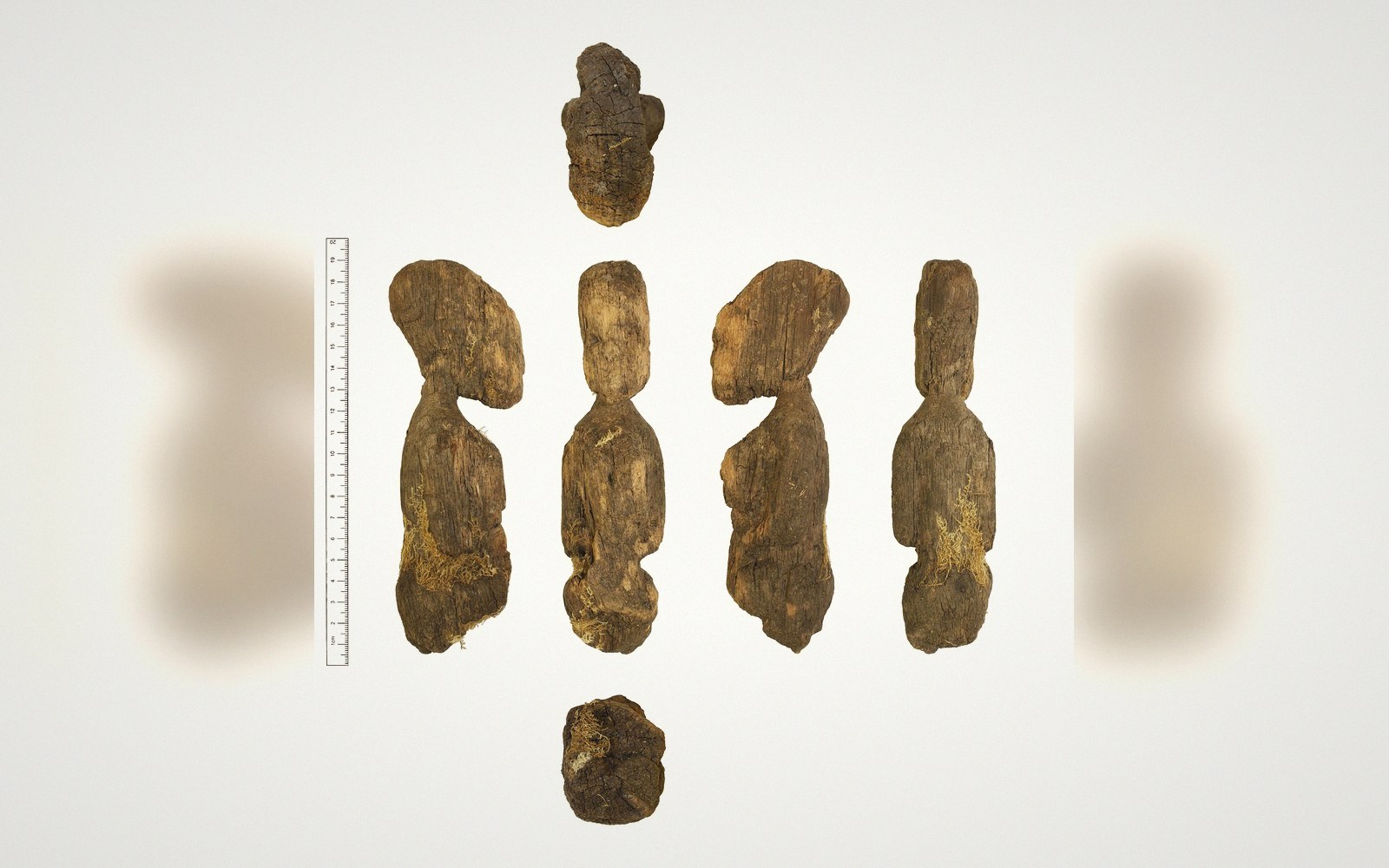
Waterlogged timber survives only while saturated. Lift it and let it dry and it collapses to a fraction of its size.
Where to start
Four entries that set up the rest
A tenth part tin
Copper alone is too soft to hold an edge. Add about a tenth part tin and it casts better, hardens under the hammer and takes a working edge — but copper and tin almost never occur in the same place, so the alloy could not exist without long-distance trade. The whole period follows from that inconvenience.
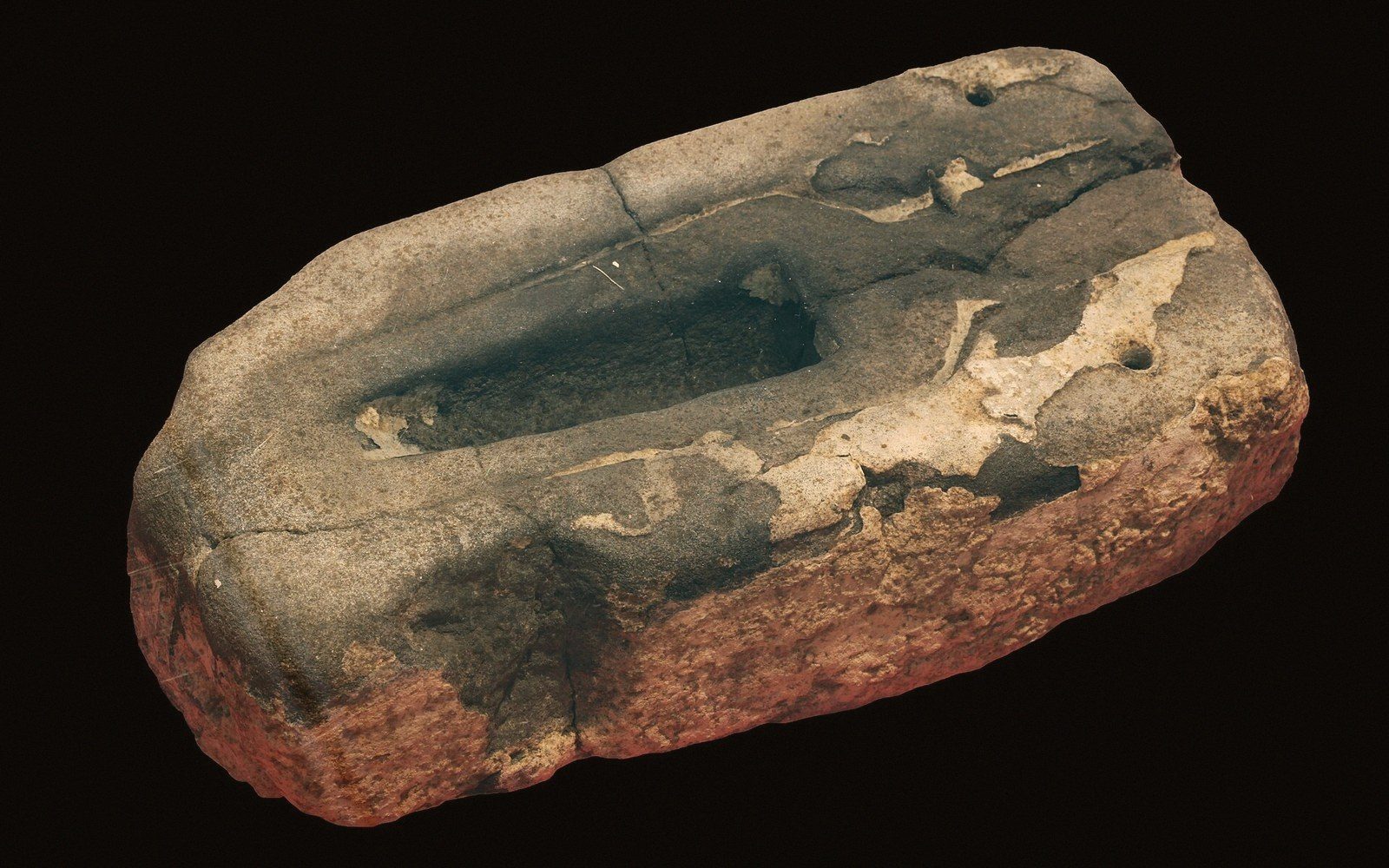
Moulds
Stone, clay and lost wax, each leaving a different signature on the object.
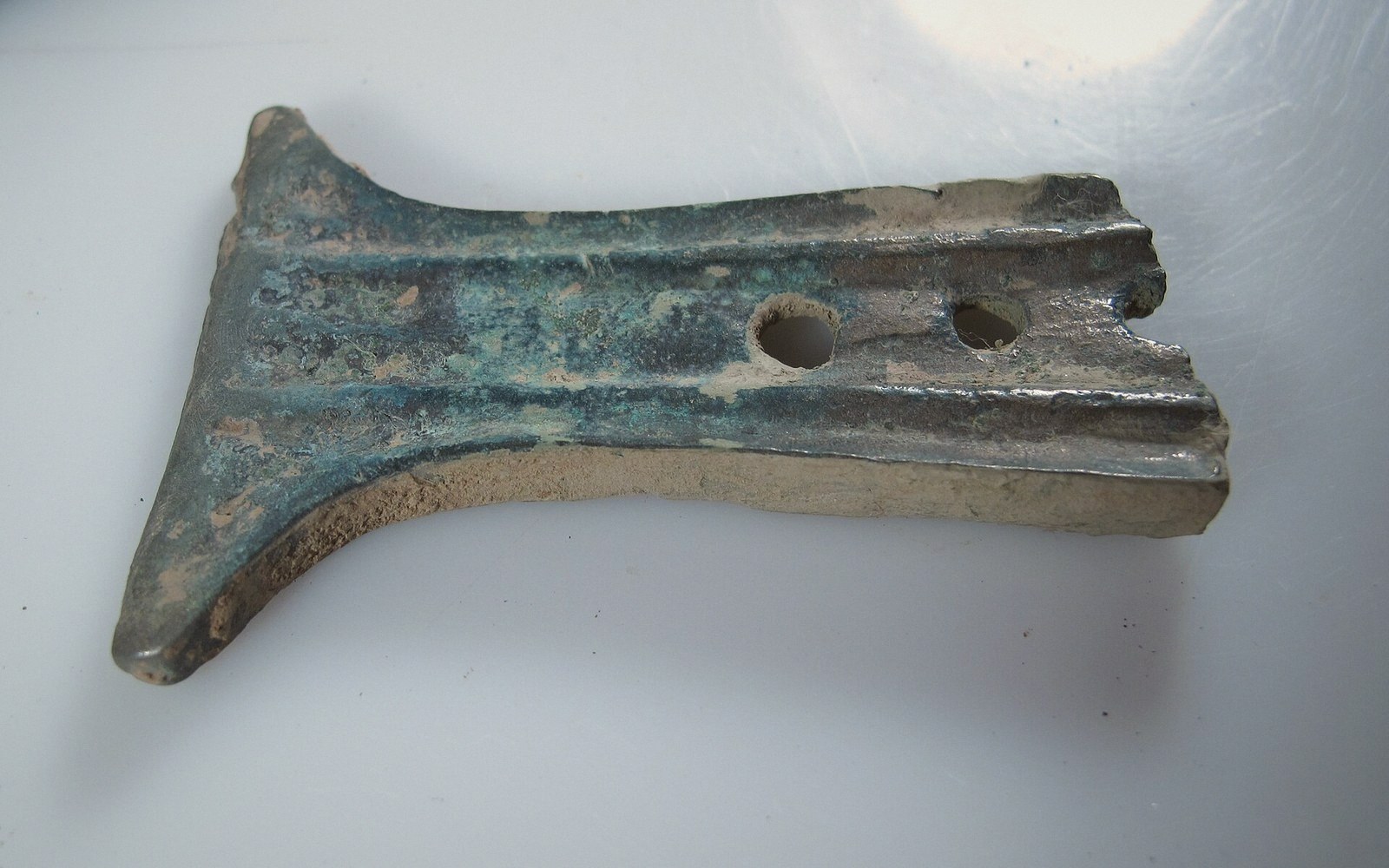
Breakage and bending
Objects deliberately destroyed before deposition — killed, in the literature.
What drying costs
Shrinkage, warping and the loss of every tool mark on the surface.
Photographs on this site are real and individually credited. Where a picture shows a modern reconstruction or a comparable structure rather than an excavated original, the caption says so.